
Marine claims are rich in recovery potential. When cargo is damaged in transit, lost from a container stack, or contaminated at a terminal, there is often a liable third party: an ocean carrier, a freight forwarder, a stevedore, a warehouse operator, or a trucker. Marine insurers who pay the cargo owner can pursue those parties to recover some or all of the loss.
In practice, many recoveries are never pursued, or are pursued too late. Time bars are short — for example, one year under the Hague-Visby Rules for claims against ocean carriers, and often far shorter notice requirements for terminals and inland carriers. Documents are scattered across bills of lading, survey reports, delivery receipts, and emails in several languages. Handlers juggle large caseloads and prioritize paying the insured over chasing recoveries.
Automation can change that. This post lays out a practical 90-day plan to identify recovery potential earlier, protect time limits, and build a disciplined recovery operation.
Why marine recoveries leak
Recoveries are lost for predictable reasons:
- Late identification. Recovery potential isn’t assessed at first notice, so evidence and deadlines slip.
- Missed notice requirements. Claims against carriers and terminals often require prompt written notice of loss. Missing it can weaken or defeat a recovery.
- Time bars. Suits must be filed or extensions obtained within limitation periods. A missed date usually ends the recovery.
- Incomplete documentation. Clean receipts, survey findings, and chain-of-custody evidence aren’t gathered systematically.
- Unclear liability chain. Multimodal shipments involve several parties, and identifying who had custody at the time of loss takes work.
- Low-value neglect. Smaller recoveries are skipped because the handling effort seems disproportionate, even though in aggregate they add up.
What automation contributes
Automation supports recovery at each stage:
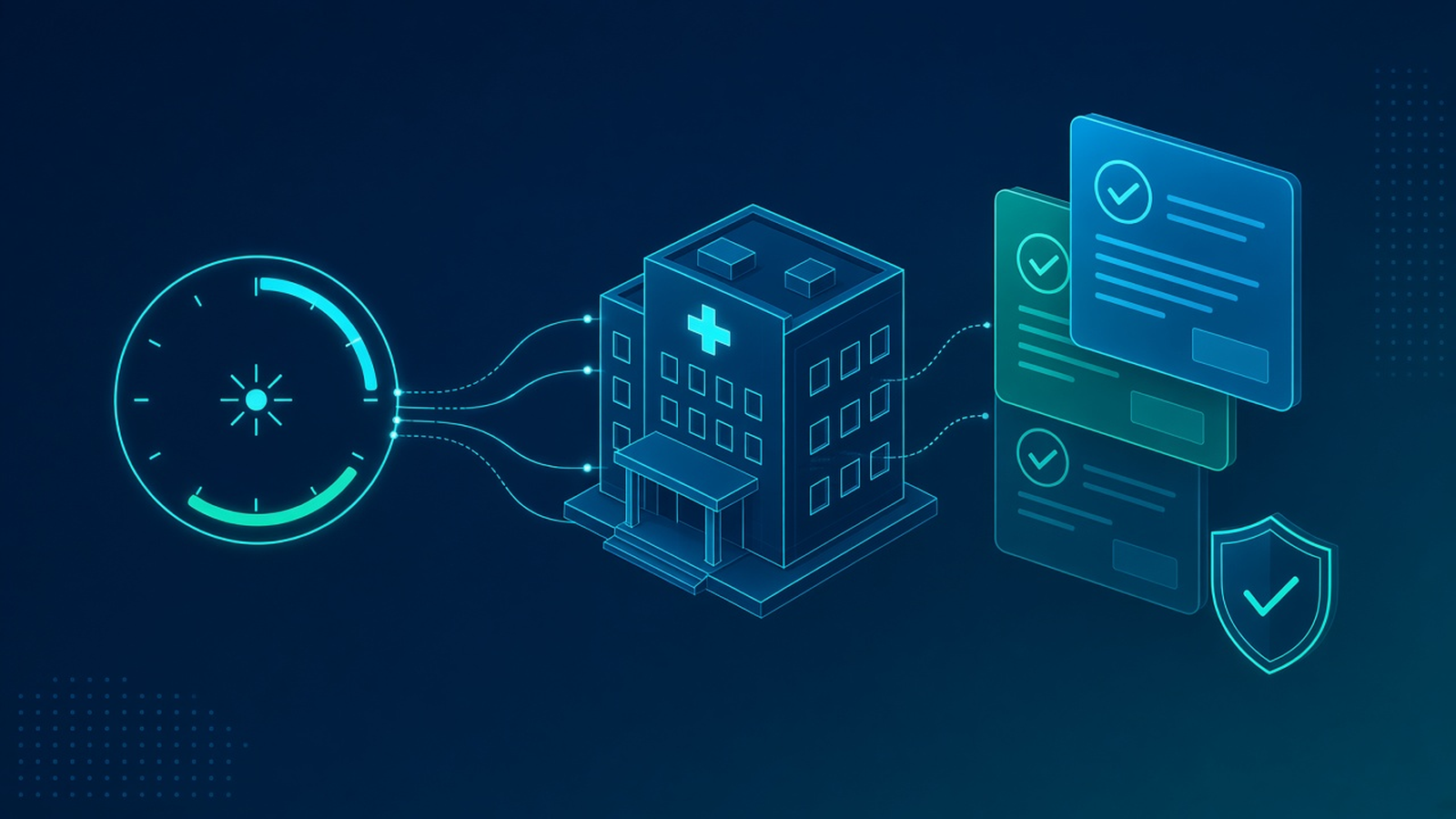
- Document intake and extraction: bills of lading, sea waybills, packing lists, survey reports, delivery receipts, and correspondence are classified and key fields extracted — parties, dates, ports, container numbers, remarks on condition.
- Recovery screening: rules and models assess recovery potential at FNOL based on loss type, transport mode, custody evidence, and contract terms.
- Deadline calculation: notice and limitation deadlines are calculated from extracted dates and applicable regimes, with alerts well ahead of each date.
- Liability chain mapping: the shipment’s legs and custodians are laid out from the documents, highlighting where damage was likely to have occurred based on survey findings and receipts.
- Demand drafting: notice letters and recovery demands are drafted with supporting evidence attached, for handler review.
- Tracking and reporting: every recovery’s status, deadlines, and amounts are visible in one place.
Legal judgment — which regime applies, how strong a claim is, whether to sue — remains with recovery specialists and counsel. Automation ensures they see the right files, with the right evidence, in time.
The 90-day plan
Days 1–30: Baseline and protect
Measure the current state. Pull the last two to three years of cargo claims. For each, determine whether recovery was pursued, the outcome, amounts recovered, and — critically — files where recovery was likely possible but not pursued. That gap is your opportunity.
Find open files at risk. Review open claims for approaching time bars. A simple extraction pass across open files can identify loss dates, carriers, and whether notice was given. Prioritize files nearing deadlines and secure time extensions where possible.
Document the rules. Work with recovery specialists to write down screening rules: which loss types, transport modes, and evidence patterns indicate strong, moderate, or weak recovery potential.
Days 31–60: Automate intake and screening
Deploy document extraction on new cargo claims. Every FNOL triggers classification and extraction of the transport documents and survey report.
Run recovery screening at FNOL. Each new claim receives a recovery potential score with reasons: “Clean bill of lading, damage noted at discharge survey, carrier identified — strong potential.”
Automate deadline tracking. Calculate notice and limitation dates per party and regime, and set escalating alerts. Every deadline calculation should be reviewable by a specialist, since applicable regimes and contract terms vary and automated calculation can be wrong.
Draft notices automatically. For claims with recovery potential, draft a notice of claim to each potentially liable party for handler approval.
Days 61–90: Pursue and measure
Prioritize the recovery queue by expected value — likely recovery amount times probability — so specialists focus on the strongest files while low-value claims get efficient, templated handling.
Draft demands with evidence packs. Recovery demands assemble the relevant documents, survey extracts, and liability analysis automatically.
Build the dashboard. Track recoveries identified, notices sent on time, deadlines protected, demands issued, amounts recovered, and recovery rate against paid losses.
Review and refine. Compare screening scores with specialist judgment and outcomes. Adjust rules where the system over- or under-estimates potential.
Controls and good practice
- Human approval for all notices, demands, and legal actions.
- Deadline redundancy: automated alerts plus a specialist review of the limitation diary.
- Audit trail of screening decisions, so files not pursued have a recorded reason.
- Confidence flags on extracted dates and parties, since poor scans and handwritten remarks are common in marine documents.
- Coordination with counsel on regime and jurisdiction questions.
What to measure
- Percentage of cargo claims screened for recovery at FNOL
- Notices issued within required periods
- Files lost to time bars (target: as close to none as possible)
- Recovery rate as a percentage of paid losses
- Average time from payment to recovery
- Handler time per recovery file
Start with a baseline from the historical review and report monthly.
Getting the team on board
Recovery automation works best when claims handlers see it as support rather than surveillance. Involve recovery specialists in writing the screening rules, since they know which evidence patterns actually win. Show handlers how drafted notices and evidence packs remove the most tedious parts of the file. Share recovery results regularly, crediting the team. When handlers see recoveries arriving on files they would previously have closed without pursuit, adoption tends to follow.
The bottom line
Marine recoveries are won or lost early. Identifying potential at FNOL, protecting notice and limitation deadlines, and assembling evidence systematically can materially improve recovery results. A focused 90-day plan — baseline, automate screening, then pursue and measure — gives marine claims teams a disciplined recovery operation without adding headcount.
Find out how much recovery potential your marine claims are leaving behind. The Aketud Claims Automation Workbook walks your team through intake, screening, and recovery steps and highlights where automation would pay back first.